When choosing a diesel generator, one of the most critical components to consider is the alternator. The alternator is responsible for converting mechanical energy into electrical energy, and the material used for its windings plays a significant role in its performance, durability, and cost. The
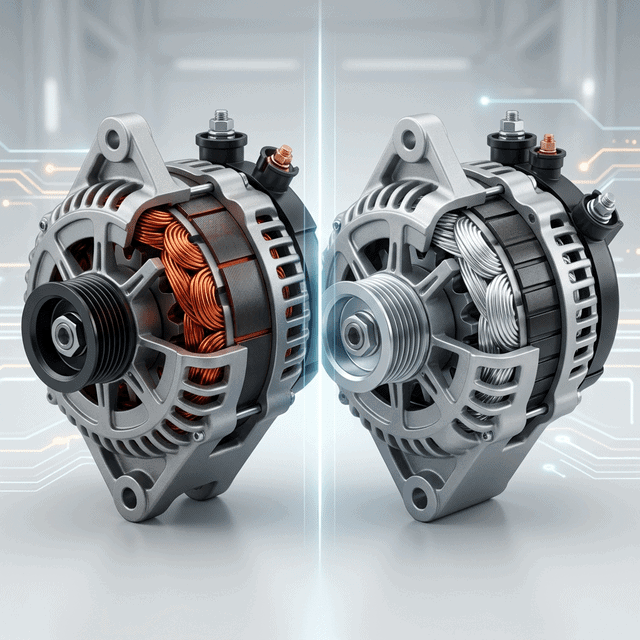
two most common materials used for alternator windings are copper and aluminum. In this article, we will explore the key differences between copper and aluminum alternators to help you make an informed decision.
1. Electrical Conductivity
The most significant difference between copper and aluminum is their electrical conductivity. Copper is an excellent conductor of electricity, offering about 60% higher conductivity than aluminum. This means that a copper-wound alternator can generate more power more efficiently, with less heat generation during operation. Because of its lower resistance, a copper alternator will generally run cooler and have a more stable voltage output compared to an aluminum one of the same size.
2. Thermal Performance and Durability
Generators produce a lot of heat, especially under heavy loads. Copper has a higher melting point and better thermal conductivity than aluminum. This allows copper winding to dissipate heat more effectively and withstand higher operating temperatures without degrading. Over time, constant heating and cooling can cause aluminum wire to expand and contract more than copper, potentially leading to weakened connections or micro-fractures in the wire. Therefore, copper alternators generally offer better long-term durability and reliability.
3. Weight and Size
Aluminum is significantly lighter than copper – about a third of the weight. This makes aluminum-wound alternators lighter overall, which can be an advantage in portable generators where weight is a primary concern. However, because aluminum has lower conductivity, an aluminum alternator requires thicker wires (and therefore more space) to matches the electrical output of a copper alternator. This means an aluminum alternator might be bulkier in size to achieve the same capacity.
4. Cost
Cost is the primary reason aluminum is used in alternators. Copper is a more expensive raw material than aluminum. Manufacturers often use aluminum windings to produce more budget-friendly generators. If upfront cost is a major constraint, an aluminum alternator might be the right choice, provided the generator will not be subjected to continuous, heavy-duty usage.
5. Corrosion Resistance
Copper is more resistant to corrosion and oxidation than aluminum. When aluminum oxidizes, it forms a layer of aluminum oxide, which is an electrical insulator. This can cause issues at connection points over time if not properly maintained or treated. Copper, on the other hand, maintains good electrical contact even if slight oxidation occurs.
Conclusion
While aluminum alternators offer a cost-effective and lightweight solution, copper alternators are generally superior in terms of electrical efficiency, thermal management, durability, and longevity. If you are investing in a standby or prime power generator that needs to run reliably under heavy loads, a copper-wound alternator is highly recommended. The higher upfront cost is usually offset by its structural integrity, lower maintenance needs, and longer lifespan.